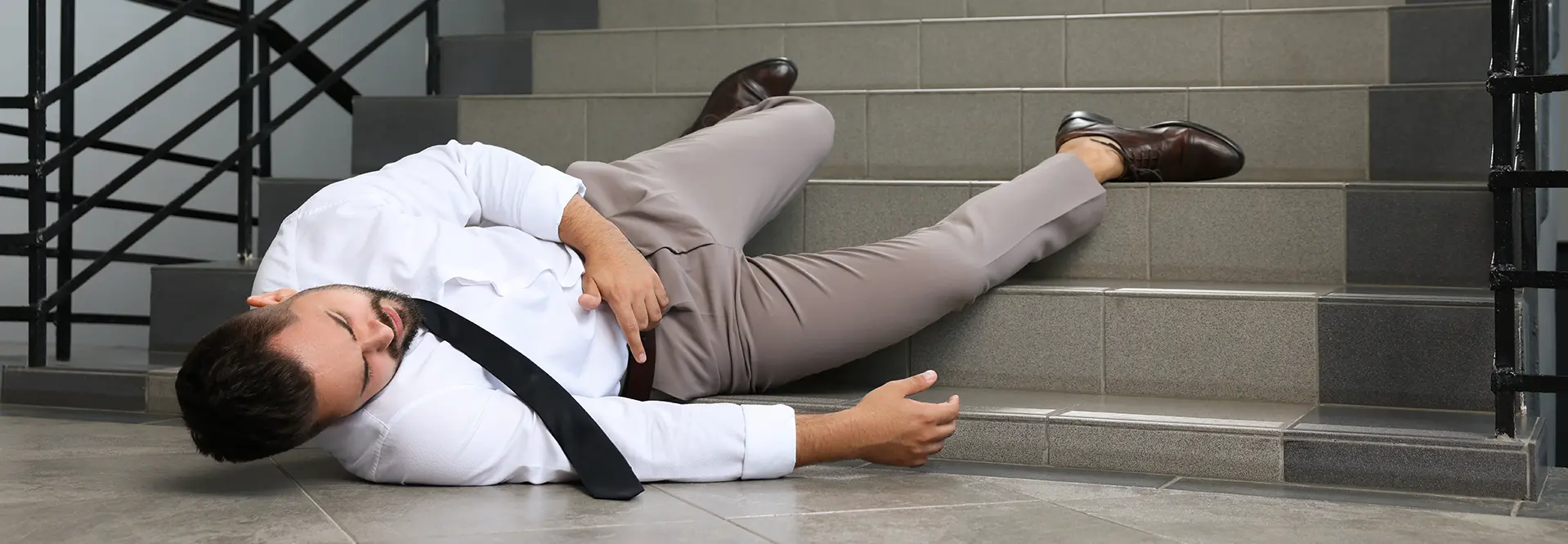
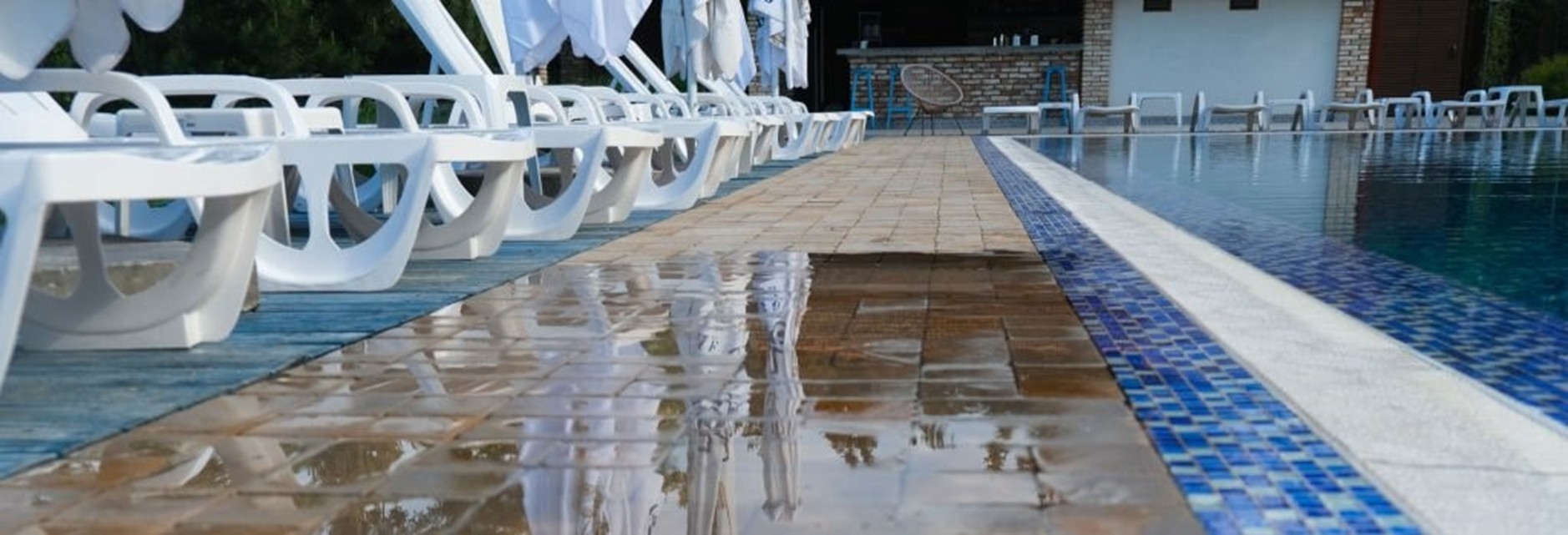
Wet Pendulum Testing is the most common type of Slip Testing used to assess the slip resistance of a pedestrian surface.
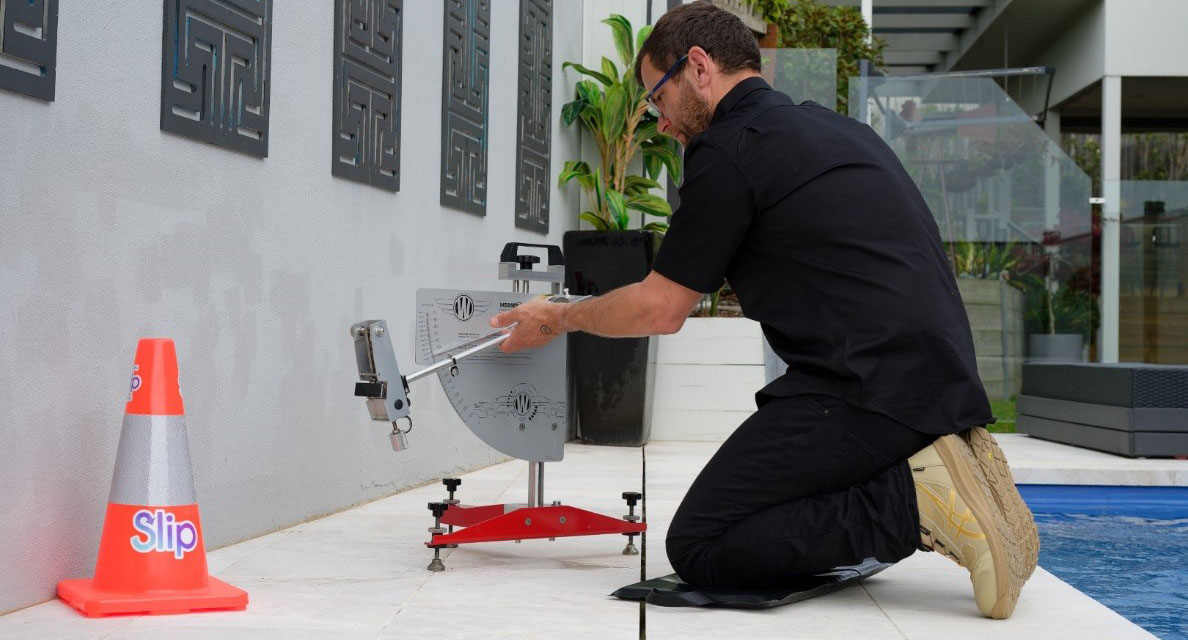
Geelong Slip Testing uses a specialised tool – a Wessex wet pendulum – to measure the slip resistance of pedestrian surfaces like floors, stairs and pathways.
Slip resistance is measured by swinging a pendulum fitted with a rubber slider across the test surface.
The height the pendulum swings back up indicates how much friction exists between the rubber slider and the floor, and therefore how slippery the surface is. This pendulum movement simulates a pedestrian walking on the test surface.
The pendulum test provides a numerical measurement that is then compared against the Australian Standards benchmarks. This data is used to objectively determine whether your floor slip resistance is compliant with the Australian Standards or if surface treatment is necessary.
If you are in the process of selecting new flooring products for your business or premises, we offer comprehensive pre-purchase testing services for product samples. Simply send us samples of your tiles, vinyl, or prefabricated finished flooring, and our team will conduct thorough slip resistance testing.
You will then receive a comprehensive report detailing the slip resistance results, thereby helping you make informed decisions about potential flooring material purchases.
Sample testing has the potential to save businesses from unwittingly purchasing flooring products that:
The minimum size of product samples that we need for testing is 200mm x 200mm.

Slip testing benchmarks the slip resistance of a floor surface at a particular point in time.
Whether the slip resistance of a floor surface remains constant or reduces is subject to many variables such as frequency of exposure to pedestrian or vehicle traffic, cleaning frequency and products used, exposure to the elements or water or the introduction of surface contaminants, etc.
Because of this potential for slip resistance change, businesses must have slip testing conducted at regular intervals – the higher the assessed slip, trip and fall risk for an area, i.e. wet areas, the more often it needs to be tested.
Our written slip testing report to you will recommend the appropriate testing frequency for your pedestrian surfaces, and we will monitor and notify you when your retesting is due.